

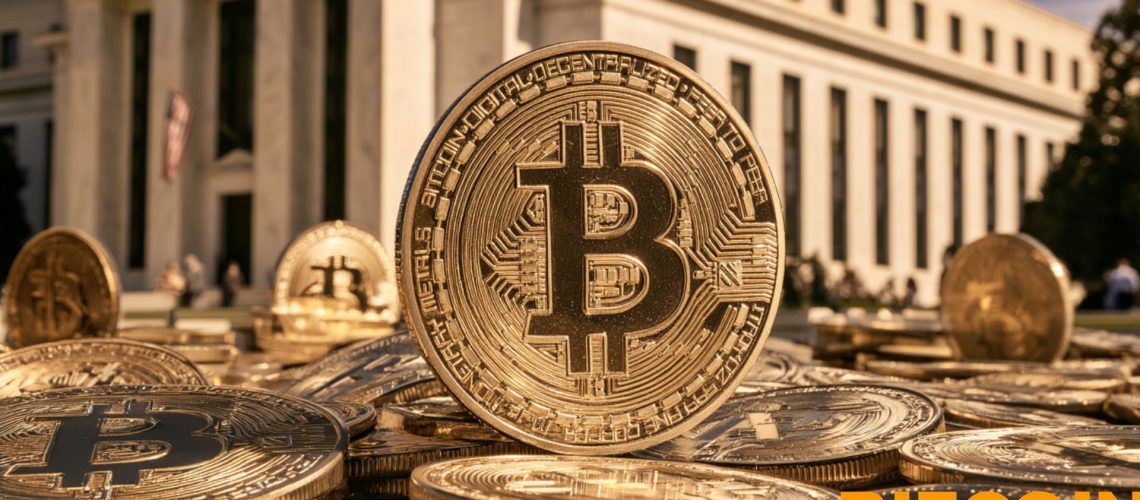

Bitcoin’s price swung before settling largely unmoved over a 24-hour period after the Federal Reserve hiked interest rates — as expected — for the first time since 2023.
The leading cryptocurrency was recently priced at nearly $75,813 after dropping as low as $75,355 in the hour after the U.S. central bank gave its decision to increase the benchmark federal funds rate to a range of 3.75% to 4%.
Over a seven-day period, the coin is down nearly 4%.
Traders had bet there was a more than 90% chance that the Fed would raise interest rates ahead of its September meeting. Major Bitcoin trades therefore likely happened before Wednesday.
Speaking to reporters on Wednesday, Federal Reserve Chair Kevin Warsh didn’t reveal much about the central bank’s next moves but made it clear that price stability in the U.S. was its number one priority.
“The decision we made today was a sober decision, serious decision, responsible decision, one that we have been preparing for and thinking about in my 110 or 120 days here,” Warsh said.
He added: “The plain fact is that inflation is too high, and has been for too long. This summer’s inflation readings do not tell me that underlying trends have meaningfully improved.”
Wash — who has previously praised Bitcoin — said last month in his first major speech as head of the U.S. central bank that inflation was too high and had to be brought down.
The new chair is seemingly going against President Donald Trump’s wishes; the president has repeatedly called for lower interest rates and even threatened to fire the ex-Chair of the Federal Reserve for refusing to do so.
In a post on his Truth Social platform last week, the president wrote: “We should have the LOWEST RATE of any country in the World, like ‘the old days.’”
When asked by reporters about what he would say to the president, Wash replied: “I’ve got nothing for you on a discussion with the president.”
Bitcoin typically does well in a low interest rate environment because there is more liquidity to buy the asset.
The U.S. is currently in the midst of an affordability crisis and war in the Middle East has pushed up the price of oil, in turn compounding the problem as the cost of everyday goods in the world’s largest economy rises.